10 Unexpected CS2 Case Battles Tips
The Ultimate Guide to CS2 Case Battles: Mechanics, Strategies, and Everything You Need to Know
Counter-Strike 2 (CS2) has inherited the huge, prospering virtual economy of its predecessor, Global Offensive. Weapon surfaces, gloves, and knives stay status signs within the community, driving endless demand for weapon cases. While traditional case opening involves a solitary gamer trying their luck versus home chances, a brand-new phenomenon has actually taken the third-party skin betting scene by storm: CS2 Case Battles.
For players trying to find a more interactive, social, and potentially unpredictable method to unbox skins, case battles use a completely brand-new dynamic. However how do they work, what are the threats, and are there methods to maximize success? This comprehensive guide dives deep into the world of CS2 case battles.
What Are CS2 Case Battles?
At their core, CS2 case battles are a multiplayer twist on conventional case unboxing. Hosted on third-party skin gaming and trading websites, a case battle permits two or more players to pool their resources, open the specific very same cases simultaneously, and compete for the total worth of all the products dropped.
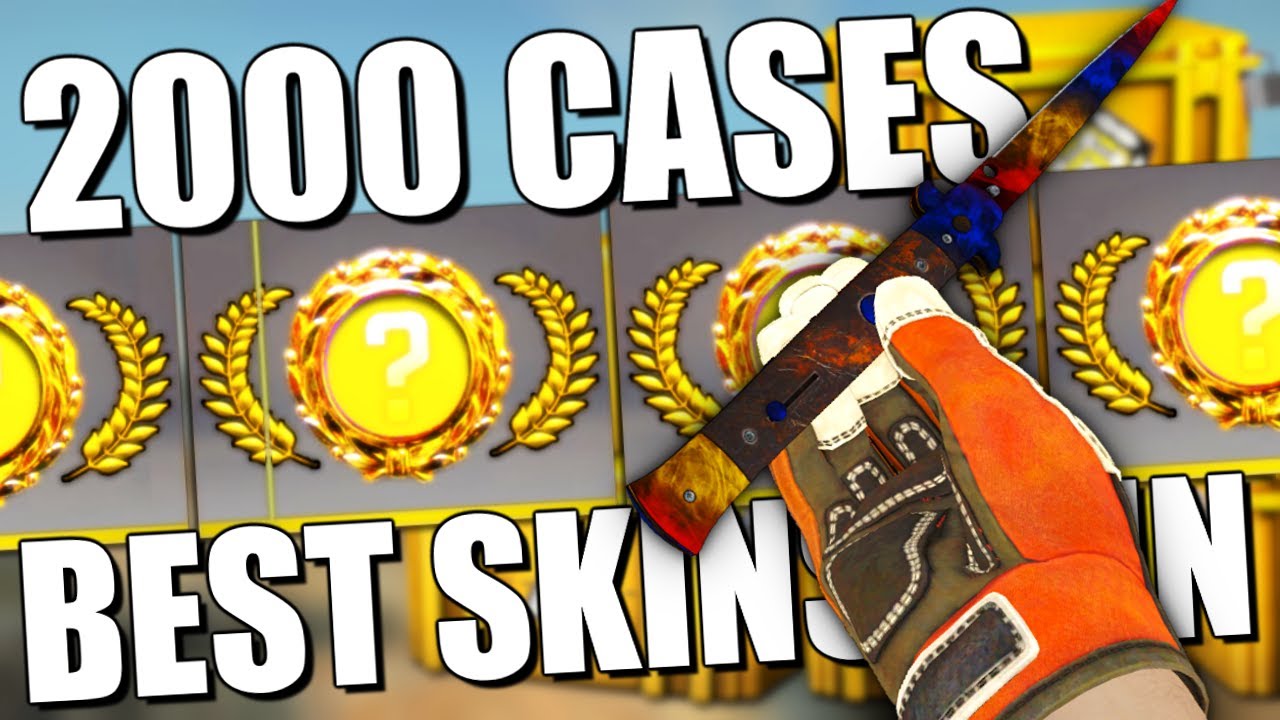
Unlike basic unboxings-- where gamers just keep whatever drops from the case they bought-- a fight presents a competitive aspect. The player (or group) whose dropped products have the greatest total Steam Community Market or site-value at the end of the battle wins all the products dropped by every individual. The losers leave empty-handed.
Key Features of Case Battles:
- Multiplayer Formats: Battles can be 1v1, 1v2, 1v3, or 2v2 (group battles).
- Shared Case Pools: Every participant opens the exact same cases in the exact same round order.
- Winner-Takes-All Dynamic: The player with the greatest cumulative product value claims the entire loot pool.
How Do CS2 Case Battles Work?
To take part in a case battle, users generally log into a third-party CS2 gambling platform using their Steam qualifications and deposit funds by means of cryptocurrency, charge card, or by trading their existing CS2 skins to the site's bot.
Once funded, the process follows a structured series:
- Lobby Creation: A player creates a fight lobby. They pick the particular cases they desire to include (e.g., Revolution Case, Danger Zone Case, or custom-made site-created cases) and the number of rounds.
- Gamer Joining: Other gamers sign up with the lobby. Alternatively, gamers can join pre-existing public lobbies developed by others.
- The Unboxing Phase: Once the lobby is full, the battle starts automatically. A visual user interface displays the cases opening round-by-round for all individuals.
- Tallying and Payout: After the last case is opened, the platform calculates the overall financial value of each individual's drops. The winner is crowned, and all products are immediately transferred to the winner's site inventory.
Comparison: Traditional Unboxing vs. CS2 Case Battles
To comprehend why case battles have actually become so popular, it helps to compare them straight to the traditional in-game unboxing experience offered by Valve.
Feature Traditional CS2 Case Opening CS2 Case Battles Platform Official Valve CS2 Client Third-Party Websites Social Aspect Solitary experience Extremely social, interactive, and spectator-friendly Chances/ RTP Repaired by Valve (House Edge uses) Governed by website odds, frequently featuring customized cases Outcome You keep what you open Winner-takes-all (High threat, high benefit) Cost Efficiency Requires a secret (₤ 2.50) for every single single case Sites often bypass traditional key purchases via site-credit mechanics Item Liquidity Products go directly to the Steam Inventory Products go to site inventory (need to be withdrawn to Steam)Popular Game Modes and Variations
As the function has matured, platform developers have presented different twists to keep the gameplay fresh. A few of the most popular variations consist of:
- Terminal/ Madness Mode: In these high-stakes variations, the guidelines of winning are inverted. Rather of the greatest total value winning, the gamer with the lowest total value takes home all the products (often called "Suicide Battles").
- Grouped/ Team Battles: Players split into teams (e.g., Red vs. Blue). The combined value of the group's drops is pooled, and the winning team divides the spoils amongst its members.
- Upgrade Battles: Battles where gamers can incorporate site upgrade functions, enabling them to risk particular high-tier products to increase their chances or worths mid-battle.
- Fast Battles: Stripped-down animations where all cases open quickly, appealing to users who prefer rapid-fire wagering.
Strategies for CS2 Case Battles
While case battles are basically video games of possibility determined by likelihood and random cs2skin.com number generators (RNG), participants frequently employ bankroll management techniques and tactical preparation to enhance their sessions.
1. Bankroll Management
- Set a Budget: Never play with funds you can not afford to lose. Treat case battles strictly as a type of entertainment instead of a financial investment.
- Determine Unit Sizing: Divide your total bankroll into smaller units (e.g., 5% to 10% per battle) to prevent erasing your balance in a couple of bad rounds.
2. Choosing the Right Cases
- Requirement vs. Custom Cases: Official Valve cases have actually understood, albeit hidden, chances. Customized site-created cases often have volatile payment circulations. Check out the contents and possibility sheets supplied by the site before entering a fight with customized cases.
- Volatility Control: Lower-tier, cheaper cases lead to more consistent, incremental drops, whereas high-tier knife-and-gloves cases result in extreme difference.
3. Understanding Probabilities and Expected Value (EV)
- Recognize that the home always builds an edge into third-party gaming platforms. Over the long term, the mathematical Expectation Value (EV) of participating in case battles is negative.
- Knowing when to stroll away after a successful streak is crucial to retaining earnings.
Dangers and Safety Considerations
Due to the fact that CS2 case battles occur completely on third-party websites, gamers need to browse a number of intrinsic threats:
- Regulatory and Legal Uncertainty: Skin betting operates in a legal gray location in lots of jurisdictions. Ensure you are lawfully allowed to get involved based upon your regional laws and age requirements.
- Platform Security and Scams: Not all third-party sites are respectable. Users must thoroughly research platforms, inspect neighborhood evaluations, and confirm that a website uses provably reasonable algorithms.
- Steam Account Safety: Logging into third-party platforms through Steam OpenID carries small threats if the platform is jeopardized. Always utilize two-factor authentication (Steam Guard) and never ever share your login credentials directly.
- Addiction Potential: The fast-paced, flashing-light nature of case battles is created to trigger dopamine reactions. If you discover yourself chasing after losses, look for help or usage platform self-exclusion tools.
CS2 Case Battles have transformed how the Counter-Strike community communicates with weapon finishes. By combining the thrill of traditional unboxing with the competitive spirit of multiplayer gaming, they use an interesting alternative to standard case openings.
However, players should approach case battles with open eyes-- understanding that your home holds the mathematical benefit, and the risk of losing your deposited funds is high. By practicing strict bankroll management, choosing credible platforms, and treating the activity as home entertainment rather than a trustworthy money-maker, players can securely experience one of CS2's most popular sub-cultures.